Eco-Friendly Sanitary Pads: Comfort Meets Sustainability
- Aug 14
- 5 min read
In a world increasingly aware of environmental issues, the conversation around menstrual products is evolving. Traditional sanitary pads, often made from synthetic materials, contribute significantly to landfill waste and environmental pollution. As more individuals seek sustainable alternatives, eco-friendly sanitary pads are emerging as a viable solution. These products not only prioritize comfort but also align with a commitment to sustainability.
Understanding Eco-Friendly Sanitary Pads
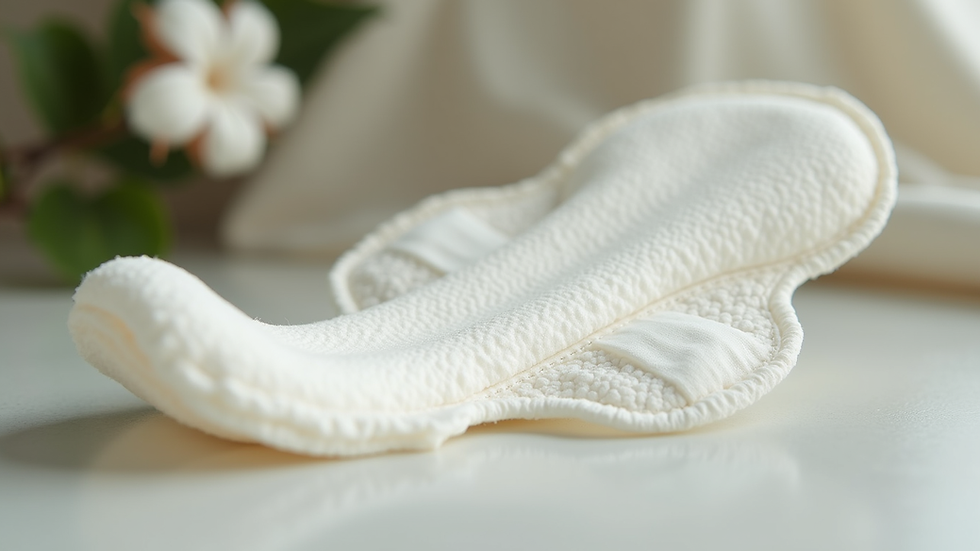
Eco-friendly sanitary pads are designed to minimize environmental impact while providing the same level of comfort and protection as conventional pads. They are typically made from organic cotton, bamboo, or other biodegradable materials. This shift towards sustainable materials is crucial, as traditional pads can take hundreds of years to decompose.
Benefits of Eco-Friendly Sanitary Pads
Biodegradable Materials
Eco-friendly pads are made from materials that break down naturally, reducing landfill waste. For instance, organic cotton pads can decompose in just a few months, unlike their plastic counterparts.
Chemical-Free
Many eco-friendly options are free from harmful chemicals, dyes, and fragrances. This is particularly beneficial for individuals with sensitive skin or allergies.
Comfort and Absorbency
Modern eco-friendly pads are designed to be just as absorbent and comfortable as traditional pads. Many users report that they prefer the softness of organic cotton against their skin.
Supporting Sustainable Practices
By choosing eco-friendly products, consumers support companies that prioritize sustainable practices, from sourcing materials to manufacturing processes.
Reduced Carbon Footprint
Many eco-friendly brands focus on reducing their carbon footprint through sustainable sourcing and production methods, making them a better choice for the planet.
Popular Brands of Eco-Friendly Sanitary Pads
Several brands have emerged in the eco-friendly sanitary pad market, each offering unique features and benefits. Here are a few notable options:
1. Natracare
Natracare is a pioneer in the eco-friendly menstrual product space. Their pads are made from organic cotton and are free from plastic, synthetic materials, and harmful chemicals. Natracare’s commitment to sustainability extends to their packaging, which is also biodegradable.
2. Cora
Cora offers organic cotton pads that are both comfortable and absorbent. They focus on providing menstrual products that are safe for the body and the environment. Cora also has a social mission, donating products to those in need with every purchase.
3. Thinx
Thinx is known for its period underwear, but they also offer eco-friendly pads. Their products are designed to be reusable, significantly reducing waste compared to single-use pads. Thinx pads are made from organic cotton and are machine washable, making them a sustainable choice.
4. Rael
Rael pads are made from organic cotton and are designed to be ultra-thin and absorbent. They are free from harmful chemicals and are packaged in recyclable materials. Rael also emphasizes transparency in their sourcing and manufacturing processes.
5. Organyc
Organyc offers a range of organic cotton menstrual products, including pads and panty liners. Their products are biodegradable and free from synthetic materials, making them a great choice for eco-conscious consumers.
How to Choose the Right Eco-Friendly Sanitary Pad
When selecting eco-friendly sanitary pads, consider the following factors:
Material
Look for pads made from organic cotton or other biodegradable materials. Avoid products with synthetic components, as these can contribute to environmental pollution.
Absorbency
Different pads offer varying levels of absorbency. Choose a pad that suits your flow, whether it’s light, moderate, or heavy.
Comfort
Comfort is key during your menstrual cycle. Opt for pads that are soft and breathable to minimize irritation.
Size and Shape
Consider the size and shape of the pad. Some brands offer different lengths and widths to accommodate various body types and preferences.
Brand Values
Research the brand’s commitment to sustainability and ethical practices. Supporting companies that prioritize environmental responsibility can make a significant impact.
The Environmental Impact of Traditional Sanitary Pads
Traditional sanitary pads are made from plastic and synthetic materials, which contribute to significant environmental issues. Here are some key points to consider:
Waste Generation: An estimated 20 billion pads are disposed of each year in the U.S. alone, contributing to landfill overflow.
Decomposition Time: Conventional pads can take up to 500 years to decompose, releasing harmful chemicals into the soil and water during the process.
Resource Intensive: The production of traditional pads requires significant resources, including water and energy, further straining the environment.
By choosing eco-friendly options, consumers can help mitigate these issues and promote a healthier planet.
Making the Switch to Eco-Friendly Sanitary Pads
Transitioning to eco-friendly sanitary pads can be a simple yet impactful change. Here are some tips to help you make the switch:
Start Small
If you’re hesitant to fully commit, start by trying a few eco-friendly pads alongside your usual products. This way, you can assess comfort and absorbency without feeling overwhelmed.
Educate Yourself
Research different brands and their practices. Understanding the benefits of eco-friendly products can help reinforce your decision to switch.
Consider Reusable Options
In addition to disposable eco-friendly pads, consider reusable options like menstrual cups or period underwear. These can further reduce waste and save money in the long run.
Spread the Word
Share your experiences with friends and family. Encouraging others to consider eco-friendly options can amplify the positive impact on the environment.
Stay Informed
Keep up with new developments in eco-friendly menstrual products. The market is continually evolving, and new innovations are emerging that may better suit your needs.
Addressing Common Misconceptions
Despite the growing popularity of eco-friendly sanitary pads, some misconceptions persist. Here are a few common myths and the truths behind them:
Myth 1: Eco-Friendly Pads Are Less Effective
Truth: Many eco-friendly pads are designed to be just as absorbent and effective as traditional pads. Users often report that they prefer the comfort and performance of organic materials.
Myth 2: They Are More Expensive
Truth: While some eco-friendly options may have a higher upfront cost, they can save money in the long run, especially reusable products. Additionally, the environmental benefits often outweigh the initial investment.
Myth 3: They Are Not Widely Available
Truth: Eco-friendly sanitary pads are becoming increasingly available in stores and online. Many brands offer subscription services, making it convenient to access these products regularly.
The Future of Menstrual Products
As awareness of environmental issues continues to grow, the demand for sustainable menstrual products is likely to increase. Innovations in materials and manufacturing processes will further enhance the effectiveness and accessibility of eco-friendly options.
Potential Developments
Biodegradable Innovations: Research into new biodegradable materials may lead to even more effective and sustainable products.
Increased Accessibility: As more retailers recognize the demand for eco-friendly products, availability will likely expand, making it easier for consumers to make sustainable choices.
Education and Awareness: Continued efforts to educate consumers about the environmental impact of traditional products will drive the shift towards sustainability.
Final Thoughts
Choosing eco-friendly sanitary pads is a step towards a more sustainable future. By opting for products that prioritize comfort and environmental responsibility, you can make a positive impact on both your health and the planet. As the market for sustainable menstrual products continues to grow, consumers have the power to influence change through their purchasing decisions.
Consider making the switch today and join the movement towards a greener, more sustainable world. Your choices matter, and together, we can create a healthier planet for future generations.


Comments